
Startups · AI & LLM
Attorneys for AI startups: settle who owns what.
A company built on models keeps its value in an algorithm, the data that trains it and the contracts around both: the platform terms you build on, the customer agreements you sign and the terms your users accept. Each one decides who owns what, and they have to agree with each other.
01 Is this you
What usually brings AI founders here.
If two or more of these are live right now, you are the reason this page exists.
- CustomersA customer wants to know what happens to its dataData ownership, security standards and data retrieval at termination belong in the agreement, settled before the pilot becomes a contract.
- VendorsThe product runs on someone else’s platformAPI permissions, limits on modification, rights to derivative works, open-source obligations, and what happens when access ends.
- Trade secretsThe algorithm is the advantageAn algorithm or its training data stays protected only while it stays secret, so the NDAs and access controls come before anyone sees it.
- IPContractors built part of the productCode and work made by contractors or vendors without a written assignment is the gap investors and buyers find in diligence.
- TermsUsers put their own content into the productTerms of service settle what you own, what rights users receive, how their content is licensed, and the disclosures automated tools can require.
02 How we work with you
Counsel that knows the product, not just the paper.
An AI company’s legal work follows the product: a new platform, a new customer, a new source of data. Fractional general counsel keeps one attorney on all of it, rather than a new engagement for every contract.
That means an attorney who learns how the product is built and how it is sold, joins your team's tools and deal calls, and reviews the platform terms, the customer agreements and the confidentiality protections around the algorithm and the data before they are signed, with more of that time during a raise and less in steadier months.
03 From clients
In the words of the firm’s clients.
“I have been working with Eric Proos for over two years, and I cannot recommend him highly enough. Eric has been instrumental in helping me with my startup, providing exceptional legal support every step of the way...”
“I've had a business relationship with Jeff for several years. He's helped me review contracts, make contracts and is amazing at translating lawyer-speak into English.”
“Next Era Legal is a game-changer for business and real estate transactions. All team members are efficient, transparent, and truly understand deal-making. No hidden fees, no wasted time, just smart legal solutions. Highly recommend!”
Three of the reviews on the firm’s Google listing. Read every review, in full
 ChecklistStartup Funding Checklist
Free checklist
How to pick the right seed instrument before you raise.
Know your dilution before you sign. Compare convertible notes, SAFEs, Series Seed preferred and common stock side by side, and see what each one costs you in interest, caps and conversion terms.
 Case studyBuilt to Scale, Compliant from Day One
Case study
From nothing on paper to built for venture funding.
No structure, no IP protection, no legal operations strategy. Find out what a technology platform put in place first, with venture funding as the goal.
Free guide
How to buy or sell commercial property with an edge at the table.
Know exactly what is changing hands before you commit. Manage diligence and the key approvals, shift risk where you can, limit what follows you after the deal, and close with control.
Short answers
A minute on intellectual property.
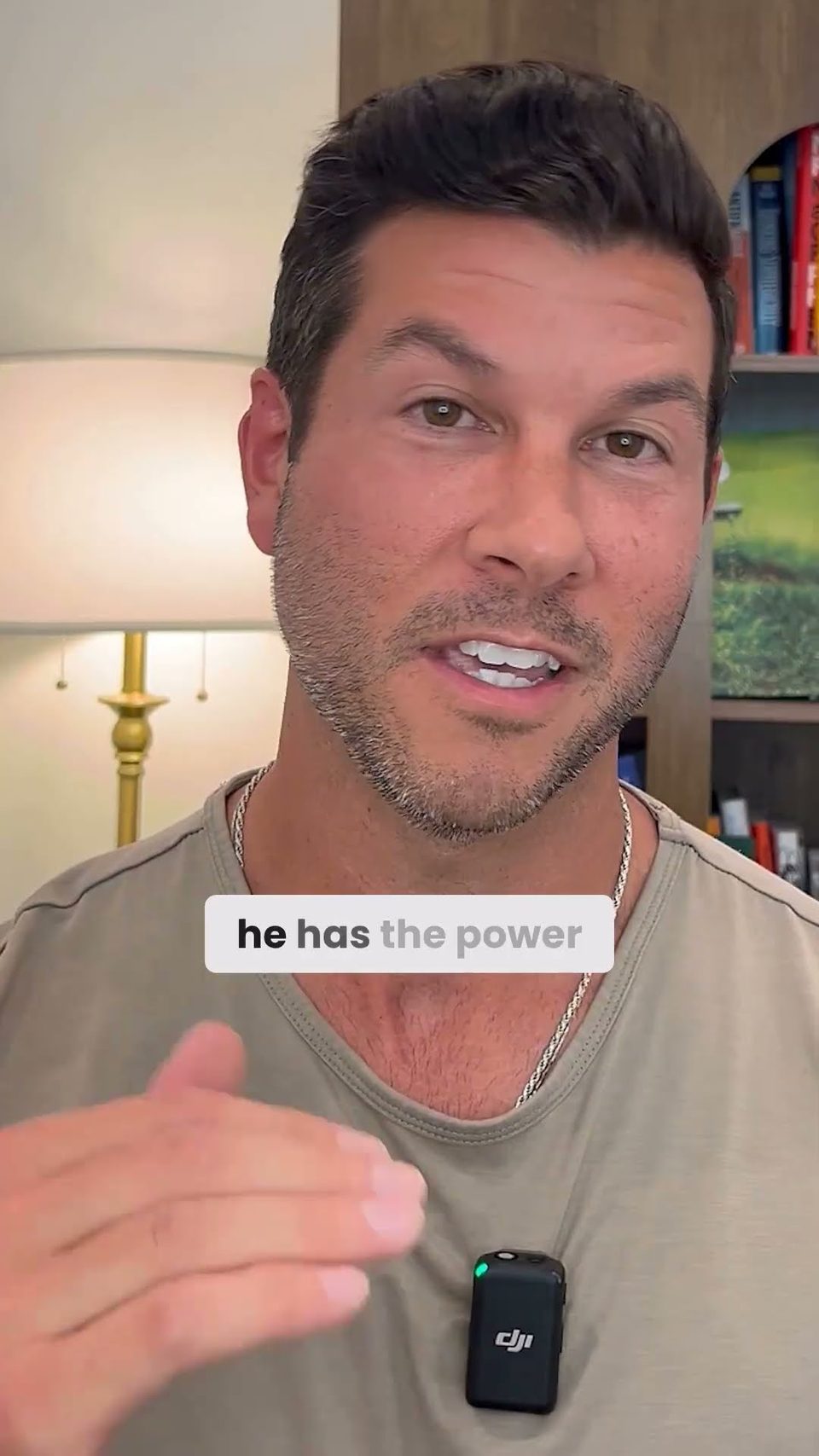
Short videos from Next Era Legal on the questions clients ask most. Each one plays here, and the arrows step through the rest.
Watch 5 short videos on intellectual property




Further reading
More on intellectual property.



04 Questions we hear
Questions about counsel for AI and LLM startups.
- 01
What is fractional general counsel for an AI startup?
A senior lawyer on your contracts, IP and data, without a full-time hire.
Fractional general counsel for an AI startup is an experienced business attorney who provides ongoing legal leadership part time. The attorney integrates with the founders, learns how the product works, and gives consistent, proactive guidance on contracts, IP and licensing strategy and regulatory risk. For an AI company, Next Era Legal describes the role as working like an in-house attorney at a fraction of the cost of a full-time hire.
More on Fractional General Counsel - 02
How is this different from the tech and venture-backed startup pages?
Those cover the software business and the raise; this one covers models and data.
The AI and LLM startups page differs from the tech and venture-backed startup pages. The tech and SaaS page covers customer, vendor and license contracts, code ownership and data privacy; the venture-backed page covers financing rounds, the cap table, equity and the board. Next Era Legal's AI page addresses what is particular to a company built on models: the platform and API terms it depends on, data rights in customer contracts, and protecting the algorithm and training data. Many companies need all three over time.
Tech and SaaS startups - 03
Should we patent the algorithm or keep it a trade secret?
Decide before anything is disclosed: a patent requires disclosure, a secret ends with it.
Choosing between a patent and a trade secret for an algorithm turns on disclosure and time. A patent requires publishing how the invention works and lasts a limited period; a trade secret lasts as long as it stays confidential but offers no protection against reverse engineering. An algorithm that keeps improving may suit secrecy better, and some may not qualify for a patent at all. Next Era Legal notes that many companies combine the two, and that disclosure in a patent application ends trade secret protection.
Trade secret or patent? - 04
How do you keep an algorithm or training data protected as a trade secret?
Keep it secret in a way that stands up: agreements, access limits and security.
An algorithm or training data stays protected as a trade secret only while it is not generally known, has value because it is secret, and is kept secret by reasonable efforts. In practice, Next Era Legal's approach is NDAs with employees, contractors and partners, access limited to those who need it, secure servers and encryption, training, and monitoring who reaches it. The Defend Trade Secrets Act and the Uniform Trade Secrets Act give remedies, including injunctions and damages, for misappropriation.
What is a trade secret? - 05
What should our agreements with platforms and customers cover?
Use rights and exit on the way in; data, IP and confidentiality on the way out.
An AI startup's agreements with the platforms it builds on should cover scope of use, API permissions and modification limits, ownership of work built on the platform and derivative works, open-source obligations, data storage and breach notice, and exit terms that return its data. Customer agreements should cover data ownership and security, IP rights, confidentiality and data retrieval at the end. Next Era Legal also matches terms of service and privacy terms to the CCPA, the CPRA and, where it applies, the GDPR.
Software licensing agreements - 06
When should an AI startup call a lawyer?
Before you build on new terms, share the algorithm, or sign a customer’s paper.
An AI startup should call a lawyer before building on a platform or API whose terms nobody has reviewed, and before sharing the algorithm or training data outside the company. Other moments: an enterprise customer sends its own contract or asks about its data, contractors or vendors work on the product, or users begin submitting content. Before a raise, Next Era Legal points out, investors will look hard at who owns the technology.
SAFE or convertible note?
Eight locations, one teamTypically replies the same business day
 Los AngelesBeverly Hills Office(310) 734-4791Mon–Fri
 Orange CountyNewport Beach Office(949) 209-4184Mon–Fri
 San DiegoUniversity City Office(619) 323-3445Mon–Fri
 San FranciscoSoMa Office(650) 374-1337Mon–Fri
 HoustonUptown Office(713) 255-2098Mon–Fri
 Metro DetroitTown Center Office(313) 887-4788Mon–Fri
 Washington, DCK Street OfficePhone coming soonMon–Fri
 MiamiBrickell Office(305) 686-4866Mon–Fri