
Contracts · Software licensing
What is a software licensing agreement, and what should it cover?
The core terms of a software license, what a strong agreement protects, and what a licensee should check before signing.
01 The short answer
Permission to use it; the provider keeps it.
A software licensing agreement gives a business permission to use software, or lets a developer license its product to others, while the provider keeps ownership. It defines who may use the software and how, what it costs, who owns the code, what support and warranties apply, how data is protected and how the deal ends.
- Core terms
- EightScope to termination
- Ownership
- Stays with the providerSoftware is licensed, not sold
- Scope
- Exclusive or non-exclusiveOne user, a team or several locations
- Term
- Perpetual or time-limitedSet in the scope of the license
02 Why it matters
Do you need a software licensing agreement?
If your business runs on software, or sells it, yes. Customer data systems, automation tools, analytics platforms, design suites, financial software and industry-specific applications support nearly every workflow, and with that reliance comes the obligation to settle access, usage, data handling and ownership in a contract.
For a licensee, the agreement determines what rights you get and what obligations you take on. For a licensor, it determines how you protect your proprietary technology. The rules apply whether the software is installed locally, used through the cloud, integrated with other systems or used across several business locations.
03 The terms
What should a licensing agreement cover?
| Term | What it settles |
|---|---|
| Scope of the license | Exclusive or non-exclusive; perpetual or time-limited; one user, a whole team or several locations |
| Authorized usage | How the software fits into daily operations: device limits, API or integration permissions, cloud access and network distribution, limits on reverse engineering or modification |
03 The terms · continued
| Term | What it settles |
|---|---|
| Fees and payment | Subscription, usage-based or purchase for a defined term, plus renewal timelines, late payment penalties and volume or enterprise pricing |
| Ownership and intellectual property | Software is licensed, not sold, so the provider keeps ownership. Settle who owns source code, how trademarks and copyrights are protected, rights to derivative works, and open-source components and obligations |
| Maintenance and support | Service levels and uptime commitments, response times, updates or patches, and access to new versions |
03 The terms · continued
| Term | What it settles |
|---|---|
| Warranties and limitations | What the provider promises and what it does not, including performance standards, security expectations and liability for data loss |
| Confidentiality and data protection | Protection of trade secrets, where data is stored, compliance with privacy laws such as the CCPA, and data breach notification |
| Termination and remedies | Grounds for ending the agreement, obligations afterward, remedies for breach, and returning or destroying data |
04 The protection
What does a licensing agreement protect?
- Intellectual property. For a developer, licensing is the mechanism that preserves ownership and prevents unauthorized copying, sublicensing or distribution. Without a strong agreement, legal recourse is limited.
- Compliance. California businesses face strict privacy and data handling laws, and the licensing terms decide what data can be collected, how it must be stored and whether it can be shared.
- Cost predictability. Clear terms mean predictable renewal costs, transparent upgrade expenses and better control as you scale.
- Operational continuity. The contract secures timely support, access to essential updates and coverage for security vulnerabilities.
- Fewer disputes. Clear terms settle user counts, usage permissions, IP ownership and integration or API access before they become arguments.
05 Before you sign
Can a provider limit users and devices?
Can a software provider limit users or devices?
Yes. Licensing agreements regularly include user caps, device restrictions and location limits. They have to be stated clearly to be enforceable.
What should a licensee check before signing?
- restrictions that could disrupt how you operate
- indemnification clauses
- privacy and data handling requirements
- open-source compliance
06 The family
What kinds of software license are there?
The licensing family includes enterprise software agreements, SaaS agreements, end-user license agreements, API licensing terms, and reseller or distribution licenses. Which one you need depends on whether the software is installed, hosted or distributed, and who is on each side.
Terms for a website or app itself are in Terms of Service agreements.
07 When this needs a lawyer
When does a licensing agreement need a lawyer?
- The software is core to your operations, or is your product — the terms decide cost, usage rights, data protection and liability.
- The contract is an enterprise agreement or one you are negotiating — the terms are yours to shape before you sign.
- You are the licensor — and want to protect source code and derivative works.
- Data protection or open-source obligations are involved — both are on the licensee's check list.
- A dispute has already started — over unauthorized use, a licensing violation, payment or IP.
This is general information, not legal advice. It describes software licensing agreements in general terms and cannot account for your agreement, your facts or your jurisdiction. Reading it does not create an attorney–client relationship. Click-through terms for a small tool are a risk you can often accept.

08 Beyond this matter
One matter, or ongoing?
If this is the only legal question you will have this year, we can handle it as a single project. If you are signing contracts, hiring, raising money or opening in a new state, you will need a lawyer more than a few times a year — and a fractional general counsel costs less than paying by the hour each time.
 Case studyThe Uninsurable Asset
Case study
How an uninsurable asset started earning its keep.
Own something too risky to insure and too valuable to leave in the garage? Read how a rare off-road truck earned rental income while its risks stayed apart from the owner's other assets.
 GuideChoosing the Right Entity
Free guide
How to choose the structure that fits your goals.
Pick your entity once, and pick it right. Compare C-corporations, S-corporations, LLCs, partnerships and RLLPs side by side: who can own each, what licensing allows, and which one fits where you are going.
Free checklist
How to close an LLC so it stays closed.
Walking away does not close the company. Follow the California and Texas steps in the order they must happen: approvals, debts and claims, final tax filings and the right form, so nothing is left open behind you.
In clients’ words
What clients say.
- ★★★★★Google
“Jeff and Eric have been an awesome source of support. Professional, sharp, and extremely dependable from start to finish. They continue to give us clear guidance, strong documents, and the confidence that every detail is covered.”
Joe GramSan Diego Review - ★★★★★Google
“I had the pleasure of working with Eric on revising a business contract, and I couldn't be more impressed with the experience. From the start, he was incredibly kind, approachable, and took the time to explain everything clearly. He made…”
Nicole BrewSan Diego Review - ★★★★★Google
“I connected with Jeff through a local business group and his services have been a game-changer for our company. He took the time to understand our services and helped us rebuild our contracts in a way that protects us and spells out…”
Ty RomstadtLos Angeles Review - ★★★★★Google
“I'm thrilled Jeff has formed a partnership with Eric. I've had a business relationship with Jeff for several years. He's helped me review contracts, make contracts and is amazing at translating lawyer-speak into English. He helped me…”
Katherine MaceyLos Angeles Review - ★★★★★Google
“I've seen Jeff's work through his contracts, and it's clear he has a sharp eye for detail and a deep knowledge of the law. He's professional, approachable, and committed to helping clients protect their businesses with the right legal…”
Ed MacLaughlinLos Angeles Review - ★★★★★Google
“Next Era Legal has been so helpful with overseeing contracts and being there to answer all my legal questions. Can't thank Jeff enough - he gets back to me right away, has great attention to detail, and really knows his stuff. He has been…”
Isabella MarvelliLos Angeles Review - ★★★★★Google
“Jeff has been so great in helping navigate various business contracts for my company. He has a wealth of knowledge and experience, not to mention patience. I highly recommend him and the Next Era Legal!!”
Grace Del ReyLos Angeles Review - ★★★★★Google
“Jeff, Eric and team are top notch professionals. They are flexible and dedicated advocates for their clients. They helped us get a deal across the finish line in the last minute. Their support was immediate, tactical and responsive. I give them my full endorsement if you're looking for business legal advice. Thank you.”
David BellLos Angeles Review
Short answers
A minute on business contracts.
Short videos from Next Era Legal on the questions clients ask most. Each one plays here, and the arrows step through the rest.
Watch 8 short videos on business contracts
 0:27What To Say When A Customer Demands A Refund
 0:44The Worst Customer Contract Clauses That Could Cost You Big
 0:26Are you constantly reviewing your MSA You could be losing sales
 0:24Do your clients understand your contracts
 0:40The Service Agreement Mistake That Is Killing Your Close Rate
 0:36Why Jalen Brunson’s Big Contract Risk Paid Off
 0:35Legalese Could Be Holding Back Your Growth, and Here's WHY
 0:08signing a contract without reading doesn't excuse you
Further reading
More on business contracts.
 Case studyThe Uninsurable AssetRead the case study
 BlogTrade Secret vs. Patent: Which to ChooseRead the article
 BlogWhat Is a Trade Secret? Definition and ExamplesRead the article
Also worth reading
09 People also ask
Questions about software licensing.
- 01
Is software owned or licensed?
Most software is licensed.
Software is, in most cases, licensed rather than owned. The user receives permission to use it, the developer keeps ownership, and the licensing agreement sets how far those rights go: who may use it and how, what it costs, who owns the code, and how the deal ends. Next Era Legal's licensing guide applies the same structure whether a business is licensing software in or its own product out.
- 02
Why do businesses need legal review of licensing contracts?
The terms directly affect cost, usage rights, data protection and liability.
Licensing contracts need legal review because their terms decide cost, usage rights, data protection and liability. A review checks that the agreement is fair, enforceable and fits how the business operates, and an enterprise agreement still under negotiation can be shaped before signing. Data protection and open-source obligations, in Next Era Legal's guide, belong on the licensee's checklist.
- 03
What disputes arise from software licenses?
Unauthorized use, violations, payment and IP.
Software license disputes usually involve unauthorized use, licensing violations, payment disagreements or intellectual property concerns. Each traces back to what the contract says about who may use the software, what it costs and who owns the code. Once a dispute has begun, Next Era Legal counts it among the situations that call for a lawyer.
- 04
What is the difference between a license and a sale?
In a license the provider keeps ownership.
A software license and a sale differ on ownership. Under a license, the provider keeps ownership and the customer receives permission to use the software on the agreed terms; a sale transfers ownership to the buyer. Licensors who want to protect source code and derivative works rely on that difference, a point Next Era Legal makes for businesses on the licensor side.
Eight locations, one teamTypically replies the same business day
 Los AngelesBeverly Hills Office(310) 734-4791Mon–Fri
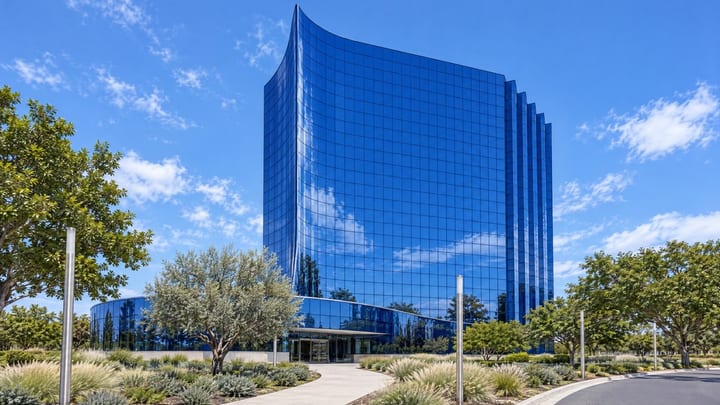 Orange CountyNewport Beach Office(949) 209-4184Mon–Fri
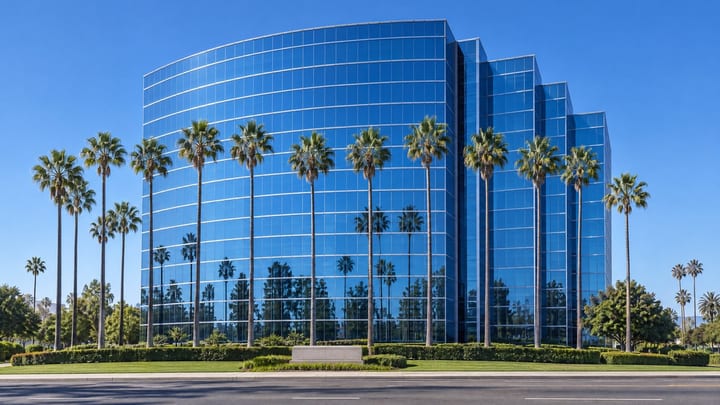 San DiegoUniversity City Office(619) 323-3445Mon–Fri
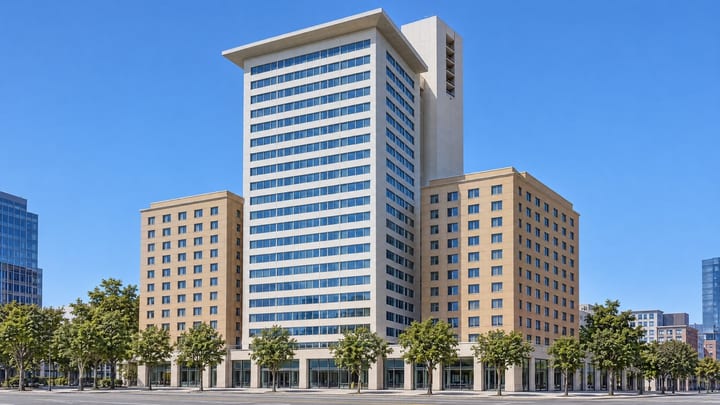 San FranciscoSoMa Office(650) 374-1337Mon–Fri
 HoustonUptown Office(713) 255-2098Mon–Fri
 Metro DetroitTown Center Office(313) 887-4788Mon–Fri
 Washington, DCK Street OfficePhone coming soonMon–Fri
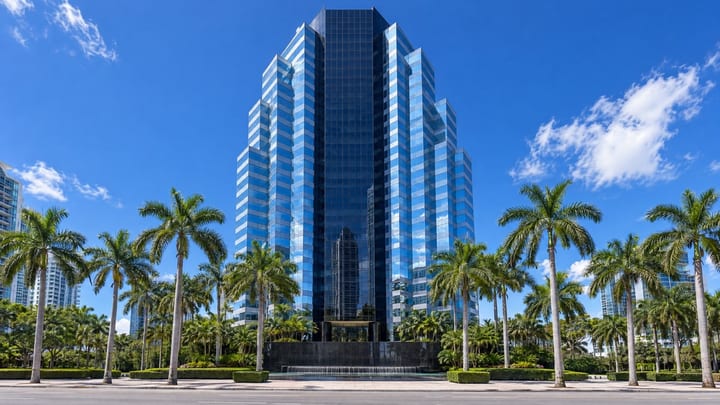 MiamiBrickell Office(305) 686-4866Mon–Fri