
Legal
Accessibility Statement.
The standard this site is built to, how it has been tested, and what to do when a page does not work for you. Last updated .
01 In short
The statement, in four lines.
A summary, not a substitute. The full statement below is what governs.
- Our target
- WCAG 2.1 Level AAA standard we build to, not a claim that every page meets it.
- How it is tested
- Automated auditsLighthouse and axe-core. Manual testing is still to come.
- Where it falls short
- Tell usA page that does not work for you is a problem we want to fix.
- How to report
- The contact formAt the foot of every page, or on the contact page.
02 The standard
What we are aiming for.
Next Era Legal wants this website to be usable by everyone who visits it, including people who use a screen reader, navigate with a keyboard alone, magnify the screen, or need captions and clear contrast to read comfortably.
The standard we build to is the Web Content Accessibility Guidelines (WCAG) 2.1, Level AA, published by the World Wide Web Consortium. The guidelines ask that content be perceivable, operable, understandable and robust: that it can be seen or heard in more than one way, used without a mouse, followed without guesswork, and read by assistive technology.
This is a target, not a certificate. We are not claiming that every page meets every criterion today. We are saying what we measure the site against, how we have checked it so far, and how to tell us when it falls short.
03 Testing
How the site has been tested.
The site is checked with two automated tools: Google's Lighthouse accessibility audit and axe-core, a widely used accessibility rules engine. Both read a page the way assistive technology would and report problems such as missing labels, repeated landmark names, poor contrast and controls that cannot be reached by keyboard.
On 29 September 2026 both were run against the home page of the site's production build. The first run found two problems, a repeated section name and a scrolling region that could not be reached by keyboard. Both were fixed, and on the run that followed neither tool reported any automated violations on that page. Those results apply to the home page only, on that date, and do not show that the site as a whole meets the standard.
Automated tools catch only part of what makes a page accessible. They cannot tell whether a description is meaningful or whether a page makes sense when read aloud. A manual review, including keyboard-only and screen-reader testing, has not yet been completed, and the site has grown since that run. We plan to carry out that review and extend automated testing to the rest of the site, and we will update this section as further testing is done.
04 Limits
Where it may fall short.
Some material is harder to bring up to the standard than an ordinary page. The places we expect gaps are:
- Downloadable documents. Guides and checklists offered as files may not carry the structure a screen reader needs.
- Video. Captions and transcripts may not yet exist for every recording.
- Tools we do not build. Scheduling, maps and other services embedded from third parties are built and maintained by their providers. We take accessibility into account when choosing them, but we cannot control every aspect of how they work.
If any of this stands between you and something you need, ask. We will provide the information in another form.
05 Reporting
How to report a problem.
If a page does not work for you, use the contact form at the foot of this page, or the one on the contact page. If a form does not work for you, email us at marketing@nexteralegal.com or call (305) 686-4866. Say that your message is about accessibility so it reaches the right person.
It helps to tell us which page you were on, what you were trying to do, what happened instead, and, if you use one, which browser and assistive technology you were using. None of that is required: a short note that something did not work is enough to start.
Reporting a problem costs nothing and commits you to nothing. It is not a request for legal advice and does not make you a client of the firm. Please do not include confidential information or details about a legal matter in an accessibility report.
This statement was last reviewed on November 10, 2026.
06 Questions about this statement
Tell us what did not work.
Every report is read, and each one tells us where the site needs work.
Eight locations, one teamTypically replies the same business day
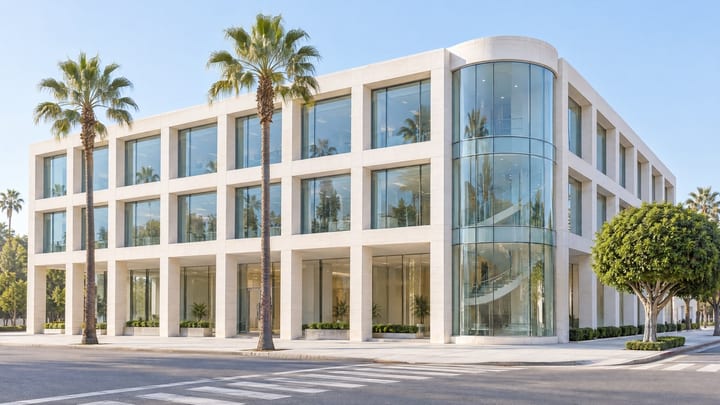 Los AngelesBeverly Hills Office(310) 734-4791Mon–Fri
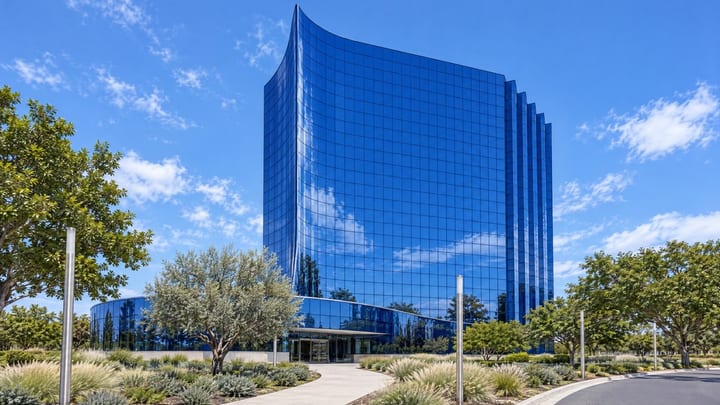 Orange CountyNewport Beach Office(949) 209-4184Mon–Fri
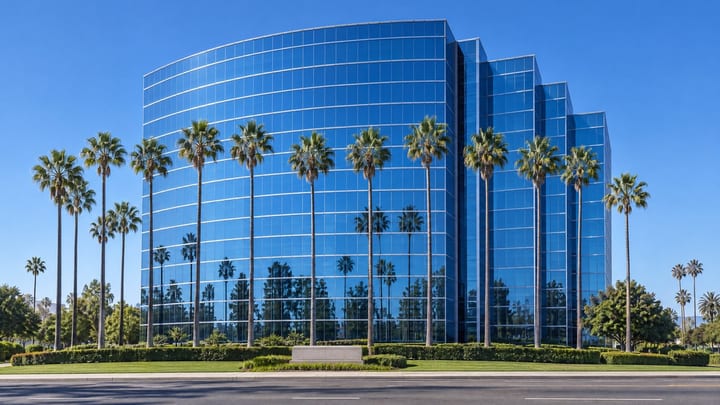 San DiegoUniversity City Office(619) 323-3445Mon–Fri
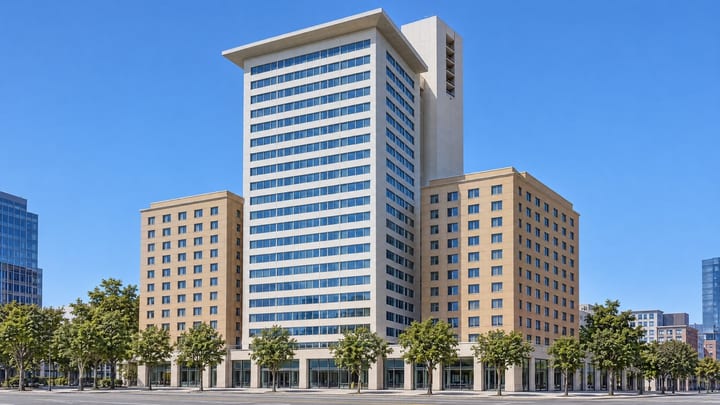 San FranciscoSoMa Office(650) 374-1337Mon–Fri
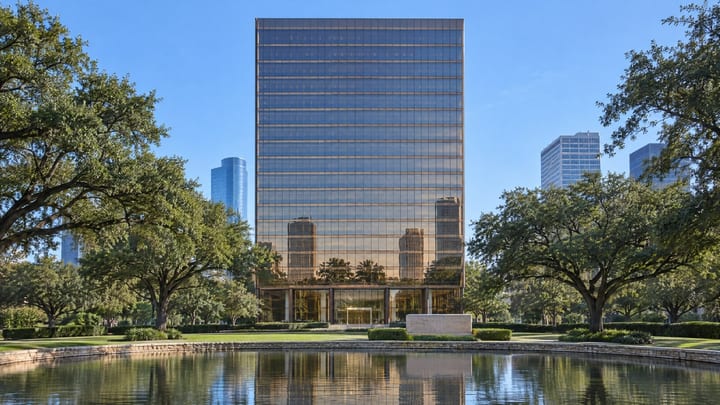 HoustonUptown Office(713) 255-2098Mon–Fri
 Metro DetroitTown Center Office(313) 887-4788Mon–Fri
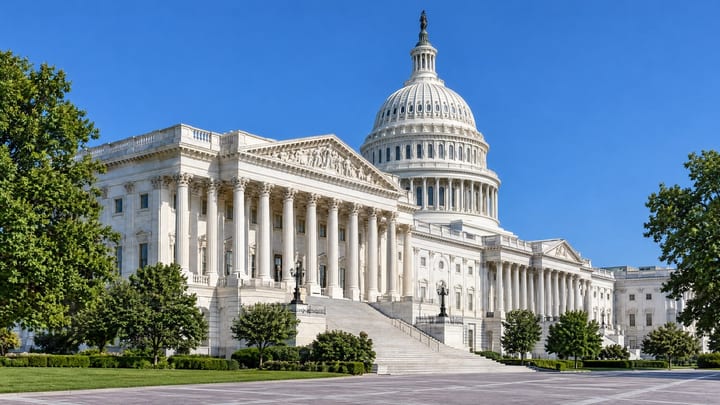 Washington, DCK Street OfficePhone coming soonMon–Fri
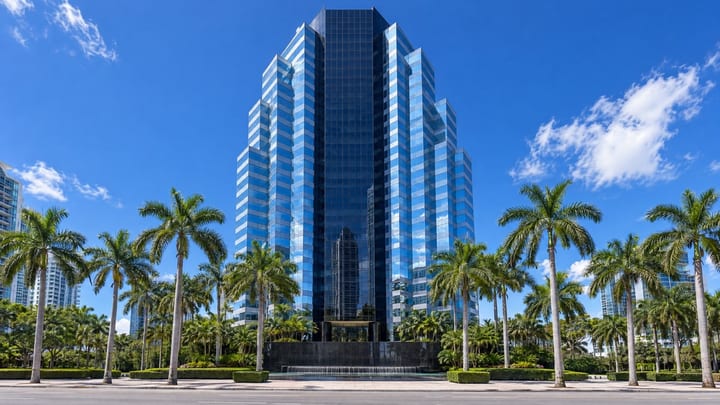 MiamiBrickell Office(305) 686-4866Mon–Fri