
Who We Serve · Industries
What does your industry add to the legal work?
Some industries bring rules of their own: a franchise system’s registrations and standards, a regulated product’s licenses and labels, a real estate firm’s entities and transactions. Find your industry, and what the firm handles for it.
01 Start here
Ordinary business law, plus a second layer.
In each of these industries the usual contracts and entities come with a layer of their own: franchise registration and disclosure, federal and state product rules, or a continuous pipeline of property transactions across several entities.
- FranchisingBuilding a franchise systemThe franchise disclosure document, the franchise agreement and the first state registrations.
- StructureEntity structuringWho owns and controls what, and in licensed sectors, whether you qualify.
- Real estateCommercial real estatePurchases, sales, leases and the entities that hold property.
- Covers
- Franchise, regulated, real estate, tech
- Who leads it
- Beverly Bradshaw
- Franchise law
- California Franchise Law Committee
- Typical engagement
- A project, or ongoing counsel
02 The whole column
Four industries, and where each one starts.
-
Franchises
Franchisors running a system once it is selling, and multi-unit franchisees: registrations and disclosure kept current, area development deals, and franchisees who stop following the standards.
-
Highly Regulated
Cannabis operators, FDA-regulated products, nutraceuticals and peptide businesses: licensing, label and advertising review, supplier agreements and inspections.
-
Real Estate
Real estate development and investment firms: multiple active projects, complex entity structures and a continuous pipeline of commercial transactions.
-
Technology
Growth-stage technology companies preparing for a capital raise, entering enterprise sales contracts or building out a team for the first time.
03 Who handles this
Beverly Bradshaw leads Industries.

Focuses on franchising, commercial real estate and corporate law, and is a member of the California Franchise Law Committee.
Building a franchise system or closing one property is a defined project. Running a system, a regulated product line or a property pipeline produces legal work every month, and compliance work does not wait for an annual review, which is where fractional general counsel fits.
 ChecklistFranchise Agreement Checklist
Free checklist
How to sign a franchise agreement you can live with for years.
Royalties, fees, territory, personal guaranty, the way out: get every answer before you sign, section by section, and spot the red flags while you can still negotiate.
 Case studyBuilt to Scale, Compliant from Day One
Case study
From nothing on paper to built for venture funding.
No structure, no IP protection, no legal operations strategy. Find out what a technology platform put in place first, with venture funding as the goal.
Free guide
How to choose the structure that fits your goals.
Pick your entity once, and pick it right. Compare C-corporations, S-corporations, LLCs, partnerships and RLLPs side by side: who can own each, what licensing allows, and which one fits where you are going.
In clients’ words
What clients say.
- ★★★★★Google
“I had the pleasure of working with Eric on a commercial real estate transaction where he represented our client as an LP investor. His legal expertise, clear communication, and attention to detail ensured our client's interests were…”
Jacob LeeLos Angeles Review - ★★★★★Google
“I hired Next Era Legal to assist with my law firm's corporate incorporation and state bar application, and I couldn't be more pleased with the experience. They completed all paperwork promptly and accurately, and their communication…”
Sally ReddySan Diego Review - ★★★★★Google
“Jeff helped me get a trademark for my business. He was quick, efficient, and thorough.”
Jeanette Chasworth ASIDLos Angeles Review - ★★★★★Google
“Eric Proos at Next Era Legal is the definition of professionalism. He consistently delivers high-quality work with incredible attention to detail and a clear, strategic approach. What I appreciate most about Eric is not just his expertise,…”
Jacob RixonSan Diego Review - ★★★★★Google
“Eric is a wonderful person and a true professional. He's incredibly detail-oriented and a great sounding board for questions. No ask feels too big or too small, and I really appreciate how intentional and thoughtful he is. He's been a terrific resource, and I highly recommend him.”
Aj JohnsonSan Diego Review - ★★★★★Google
“I've been impressed with the team at Next Era Legal. They combine sharp legal expertise with a modern, business-first mindset. I.e., they're practical, responsive, and strategic. I highly recommend them!”
Jack PerkinsSan Diego Review - ★★★★★Google
“I highly recommend Eric and his team at Next Era Legal. Eric has a high level of understanding on how best to serve his clients and I have no reservations about referring to him.”
Danielle BargerSan Diego Review - ★★★★★Google
“I had to leave a review after working with Eric and Next Era Legal. Eric is professional, intelligent, and easy to talk to. He breaks down complex legal matters into easy to understand concepts and gives excellent guidance. The rest of the…”
Daniel FinnSan Diego Review
Further reading
More on franchising.


04 Questions we hear
Questions about industry rules.
- 01
Does the firm advise businesses in highly regulated industries?
Yes: licensing, label and marketing review, vendors and IP.
Highly regulated industries are familiar ground for the practice, including FDA-regulated products, nutraceuticals, peptides, healthcare and wellness. Counsel there covers licensing and permitting, review of product labels and marketing claims, supplier and vendor agreements and intellectual property protection. Next Era Legal also tracks regulatory change, so a business can adjust before an enforcement action forces it to.
Counsel for highly regulated businesses - 02
Does the firm work with franchisors, franchisees or both?
Both sides of the system.
Franchise clients include franchisors and franchisees alike. Franchisors get counsel from concept through multi-state registration: drafting the Franchise Disclosure Document, protecting the brand's intellectual property and enforcing system standards. Buyers get a review of the franchise agreement before they sign. Beverly Bradshaw, who leads this work for Next Era Legal, is a member of the California Franchise Law Committee.
Franchise agreement checklist - 03
How is ongoing franchise counsel different from the franchising service?
One builds the system; the other runs it.
Ongoing franchise counsel picks up where the franchising service ends. The service builds the system: the franchise disclosure document, the franchise agreement and the first state registrations. Ongoing counsel handles the system once franchises are selling, from amendments and disclosure updates to area development agreements, franchisee issues and the contracts a growing system signs. Running a system produces that work every month, which is why Next Era Legal fits it to fractional general counsel.
Franchising - 04
What does a compliance program for a regulated business include?
Written policies, training, records and internal audits.
A compliance program for a regulated business has four layers: written policies, from manufacturing standards to employee conduct, in language staff can use daily; training at onboarding and whenever rules change; record-keeping that proves compliance and answers an unfounded allegation; and internal audits that find weaknesses before a regulator does. In Next Era Legal's approach, each layer also serves as evidence of good faith if an issue arises.
- 05
Does the firm litigate franchise or regulatory disputes?
No: it is a transactional firm and coordinates litigators.
Franchise and regulatory disputes are not litigated by the firm, because litigation sits outside a transactional practice. Next Era Legal works to prevent disputes with clear contracts and pre-litigation dispute resolution; when a matter does need a litigator, it helps identify the right counsel and, for fractional general counsel clients, coordinates that counsel with the business context they need.
What we don’t do - 06
When should a franchise or regulated business call?
Before a filing, a label, a new state or a new deal.
A franchise or regulated business should call Next Era Legal when a license is being applied for, renewed or put at risk; before publishing a label, a health-related claim or an advertising campaign; when adding a supplier, manufacturer or distributor; before entering a new state; when an inspection or regulatory inquiry starts; when an area developer or multi-location buyer wants terms; and when a franchisee stops following the system.
Eight locations, one teamTypically replies the same business day
 Los AngelesBeverly Hills Office(310) 734-4791Mon–Fri
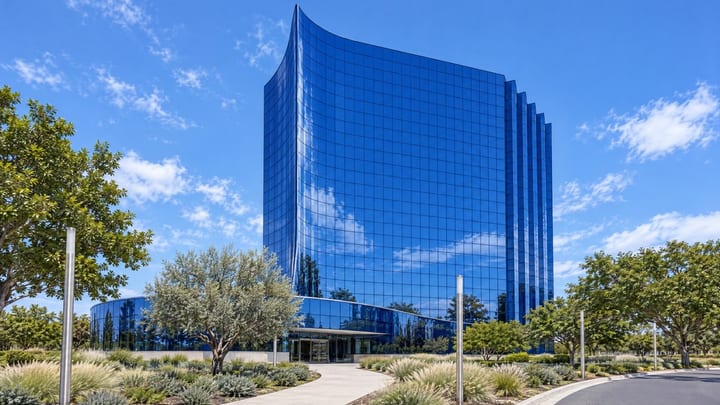 Orange CountyNewport Beach Office(949) 209-4184Mon–Fri
 San DiegoUniversity City Office(619) 323-3445Mon–Fri
 San FranciscoSoMa Office(650) 374-1337Mon–Fri
 HoustonUptown Office(713) 255-2098Mon–Fri
 Metro DetroitTown Center Office(313) 887-4788Mon–Fri
 Washington, DCK Street OfficePhone coming soonMon–Fri
 MiamiBrickell Office(305) 686-4866Mon–Fri