
Comparison
Hire in-house, or fractional general counsel?
Both work. They suit different companies at different moments, and the honest answer depends on how much legal work you actually have and how predictable it is.
01 The short answer
Who each one is actually for.
Hire in-house counsel when legal work is continuous, full-time and specific enough to your business that an attorney needs to live inside it. Take fractional general counsel when the questions arrive continuously but do not fill a week — you get the same attorney, in the same meetings, for a fraction of a salaried seat. The break-even is usually somewhere between a part-time and a first full-time hire, and it moves with how much of the work is specialized.
02 Side by side
The differences that actually decide it.
| Fractional general counsel | In-house | |
|---|---|---|
| What you are buying | An attorney's attention on a standing basis | An attorney's full working week |
| How cost behaves | A flat monthly figure, set to the stage you are at | Salary, benefits, payroll taxes and tooling, whatever the month holds |
| Time to in place | Days — the engagement starts when the retainer does | A search, an offer and a notice period |
| Notice to end it | Three month minimum, then month-to-month. | An employment relationship, with everything that carries |
| Breadth of expertise | A firm behind one named attorney | One person's depth, plus outside counsel when it is outside their depth |
| Where it strains | Volume: past a certain load, a flat fee stops matching the work | Quiet quarters, where a full seat is paid for whatever arrives |
03 When we are the right call
Continuous questions, not continuous hours.
The pattern we see most: enough legal work to need someone who knows the business, not enough to fill a salaried seat.
- StageYou are past the point of asking friendsContracts are going out weekly and nobody inside owns what they say.
- CostYou need the number to be predictableHourly billing teaches a team not to ask, which is how problems arrive late.
- FitYou want one attorney who knows the businessNot a different associate each time, re-reading the same background.
04 When in-house counsel is right
We would tell you to hire.
There is a point where a fractional arrangement stops being the better answer, and saying so is the whole reason to trust the rest of this page.
When the work genuinely fills a week. If legal questions are arriving daily and several are substantial, a flat monthly fee stops matching the work — and an arrangement that stops matching the work is one both sides start resenting.
When the expertise has to be resident. Heavily regulated businesses, or companies whose product IS the legal position, need someone who lives in the detail full time.
When the company is big enough that the seat is obvious. At that size the question is not whether to hire, but who — and we are glad to help you think about the specification.
 GuideThe Proactive General Counsel
Free guide
How to get a senior legal team without the full-time hire.
Close your legal leadership gap without a $200,000 to $400,000+ salary. Learn when reactive advice stops being enough, how a fractional general counsel joins your leadership team, and which engagement fits your stage.
 Case studyManaging the Defense
Case study
How one company defended a lawsuit and kept running the business.
Facing a lawsuit? See how one company met a wrongful-termination claim head-on: its own defense firm, every bill watched, and its leaders kept on running the business.
Free scorecard
How to find where growth will break your structure first.
Run a short diagnostic before diligence runs one for you: where legal friction slows you down, what sits with one person, and whether your assets, agreements and structure would hold up.
In clients’ words
What clients say.
- ★★★★★Google
“I am a physician and have worked with Next Era Legal on several business. What stands out is that they do not think like typical attorneys. They come at every situation from a business perspective first and translate that into practical…”
patrick fattouchMiami Review - ★★★★★Google
“Next Era is true to its name. The concept of a Fractional General Counsel is foreign to so many business owners, irrespective of their size or revenue. But less so each day and the team at Next Era, led by Eric Proos, is (at least in…”
David ShapiroSan Diego Review - ★★★★★Google
“Eric and Jeff are outstanding. Very response, very knowledgeable, no bull shit, no time wasted. We highly recommend them to serve as a fractional general counsel. They have helped us with countless contracts, and given sound advice on numerous issues as they have arisen within the business.”
Nick KernLos Angeles Review - ★★★★★Google
“Eric is my go-to referral for business law and fractional GC work. He's smart, efficient, and has extensive experience working with small- to medium-sized businesses.”
Derrick LamLos Angeles Review - ★★★★★Google
“Next Era Legal has been so helpful with overseeing contracts and being there to answer all my legal questions. Can't thank Jeff enough - he gets back to me right away, has great attention to detail, and really knows his stuff. He has been…”
Isabella MarvelliLos Angeles Review - ★★★★★Google
“Eric Proos at Next Era Legal is the definition of professionalism. He consistently delivers high-quality work with incredible attention to detail and a clear, strategic approach. What I appreciate most about Eric is not just his expertise,…”
Jacob RixonSan Diego Review - ★★★★★Google
“Eric is a wonderful person and a true professional. He's incredibly detail-oriented and a great sounding board for questions. No ask feels too big or too small, and I really appreciate how intentional and thoughtful he is. He's been a terrific resource, and I highly recommend him.”
Aj JohnsonSan Diego Review - ★★★★★Google
“I've been impressed with the team at Next Era Legal. They combine sharp legal expertise with a modern, business-first mindset. I.e., they're practical, responsive, and strategic. I highly recommend them!”
Jack PerkinsSan Diego Review
Featured video
See fractional general counsel in practice.
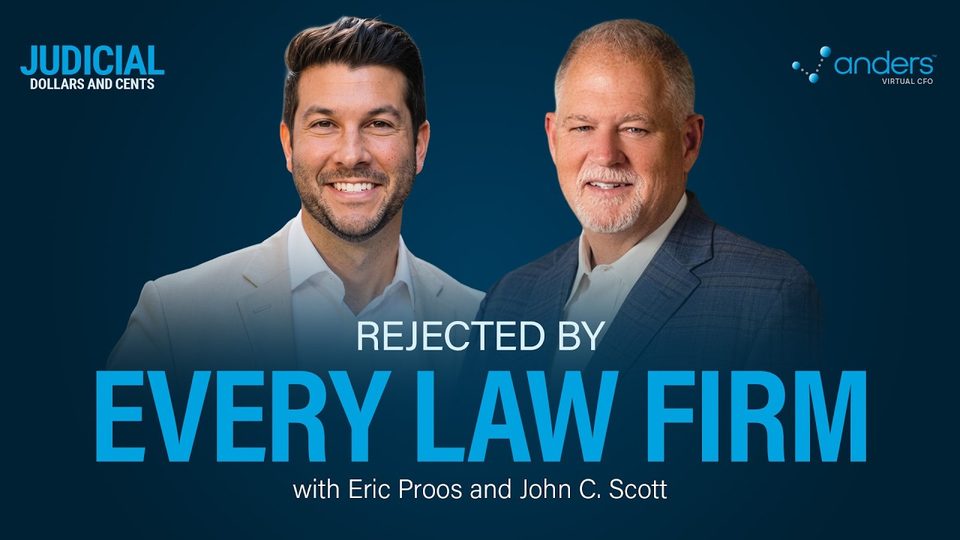 28:24
Most law firms tell business owners what happened after the fact.
Watch the video More short videosShort answers
A minute on fractional general counsel.
Short videos from Next Era Legal on the questions clients ask most. Each one plays here, and the arrows step through the rest.
Watch 7 short videos on fractional general counsel
 0:52Rethinking Legal Support for Businesses
 1:03Legal Clarity Without Hidden Costs
 0:52Bring Legal In Earlier To Keep Your Business Moving
 2:02Why Growing Companies Need Legal Strategy, Not Just Legal Documents
 1:07Mid-Market Legal Ops Is Falling Behind
 0:27The Costly Company Mistake That Can Destroy Growth
 0:16Fractional General Counsel Scale Your Business Confidently
Further reading
More on fractional general counsel.


05 Questions we hear
Questions about in-house or fractional.
- 01
Can fractional counsel work like an in-house lawyer?
In many ways.
Fractional counsel can work much like an in-house lawyer: deeply embedded, available for quick questions, involved in strategy and present in leadership meetings. The difference is the employer overhead, since a fractional engagement with Next Era Legal carries no salary, benefits or payroll taxes and runs month to month on the standard engagement.
- 02
Is in-house counsel always more expensive?
It is a larger fixed investment.
In-house counsel is a larger fixed commitment than fractional support: salary, benefits, office space, training and tooling, paid whatever the month holds. That cost is harder to justify for smaller businesses or ones with fluctuating legal needs, though once legal work genuinely fills a week, Next Era Legal's own view is that hiring in-house becomes the better answer.
- 03
What if my legal needs grow?
Fractional support scales up or down with the company.
Growing legal needs are met by adjusting the fractional engagement, which moves up or down in scope as the company changes. There is a point where it stops being the better answer: when the work fills a week or the expertise has to be resident, Next Era Legal will say so and help think through the specification for a dedicated in-house hire.
- 04
Which companies should hire in-house?
Those with highly complex or industry-specific legal work.
Companies should hire in-house counsel when legal work is continuous, full-time and tied closely enough to the business that an attorney needs to live inside it. That includes heavily regulated businesses, companies whose product is the legal position, and companies big enough that the seat is obvious, where the question for Next Era Legal's clients becomes who to hire, not whether.
Eight locations, one teamTypically replies the same business day
 Los AngelesBeverly Hills Office(310) 734-4791Mon–Fri
 Orange CountyNewport Beach Office(949) 209-4184Mon–Fri
 San DiegoUniversity City Office(619) 323-3445Mon–Fri
 San FranciscoSoMa Office(650) 374-1337Mon–Fri
 HoustonUptown Office(713) 255-2098Mon–Fri
 Metro DetroitTown Center Office(313) 887-4788Mon–Fri
 Washington, DCK Street OfficePhone coming soonMon–Fri
 MiamiBrickell Office(305) 686-4866Mon–Fri